When Should You Start Dating in Recovery? The 6-12 Month Timeline Explained
You're three months sober. Life feels different. Clearer. You're sleeping again, thinking straight, and for the first time in years, you're not waking up with that crushing weight. Then someone catches your eye at a meeting, or you match with someone online, and you think: Maybe I'm ready for this?
Your sponsor says: wait six to twelve months.
That answer feels impossibly long when you're rebuilding your life and craving connection. But there's real wisdom in that timeline—and it's not about punishment or control. It's about protecting what you're actually building.
Why 6-12 Months? What You're Really Building
This isn't arbitrary timing. The first year of sobriety is intensive reconstruction work, and dating pulls your focus and emotional energy away from the foundation you need.
You're Rebuilding Your Identity
Before recovery, your identity was built around using. That's what organized your time, your money, your friendships, your coping mechanisms. Without it, you're essentially learning who you are again—what you actually like (not what you used to do while high), what matters to you, what your values are when you're not numb.
Dating while this is happening pulls your attention outward when you need it inward. A new relationship gives you a dopamine hit, and early recovery already has your brain struggling to regulate itself. Jumping into dating can feel like replacing one dependence with another before you've figured out who you are sober.
You're Processing Trauma That Hasn't Been Addressed
Most people who develop substance use disorder have underlying trauma—abandonment, abuse, shame, loss. Addiction numbs that. The first year sober, that trauma surfaces. You're processing it in therapy, in meetings, in quiet mornings when nothing is dulling the pain anymore.
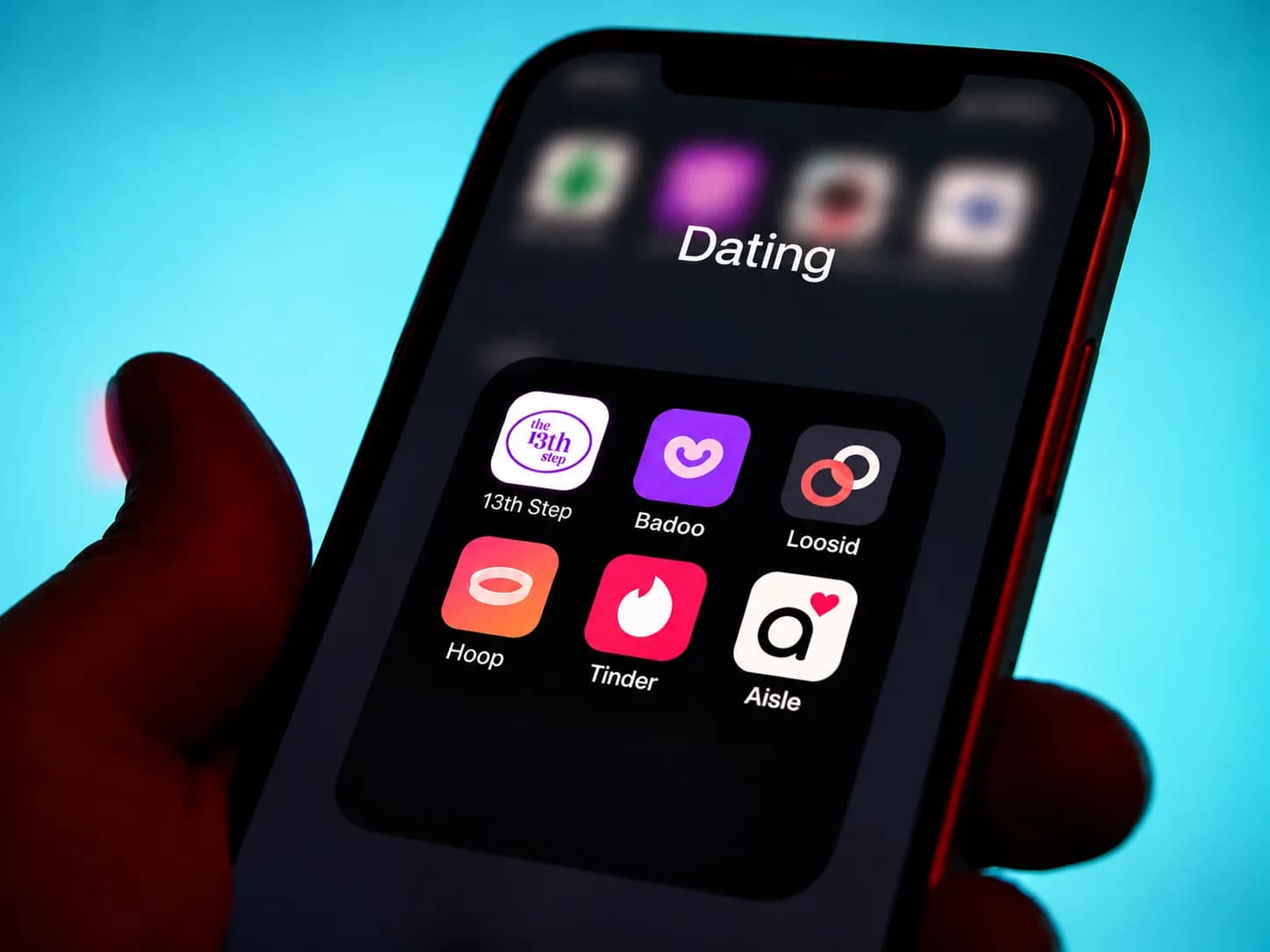
When you date before this work is underway, you unconsciously seek partners who match the familiar patterns of your trauma. You attract people who exploit that unhealed vulnerability. This is when 13th stepping happens—predatory behavior that specifically targets newcomers because they're emotionally raw and isolated.
You're Creating a Real Support System
Your sponsor, your meetings, your recovery community—these aren't optional extras. They're your lifeline. The first year, you're building these relationships, learning how to ask for help, developing accountability outside of a romantic relationship.
If you're focused on dating, you're dividing that attention. Your meetings become something you rush to, something you attend to check a box before heading to meet your date. Your sponsor becomes someone you update instead of someone you confide in. Your recovery community becomes background noise instead of your actual support system.
What Happens When You Date Too Early
People in early recovery who start dating face two concrete risks: relapse and exploitation.
Romantic relationships activate your reward system in ways that can trigger using. You're also more likely to relapse when things go wrong with a partner because you haven't yet rebuilt coping skills. You're still fragile.
And red flags in sober dating spike dramatically in the first year. Predatory people—13th steppers specifically—target newly sober people because they're vulnerable, isolated, and don't yet have the community knowledge to recognize manipulation.

6 Signs You Might Be Ready to Date
This isn't saying never date in the first year. It's saying be intentional and honest. Here are real signs you're ready:
You've worked through your trauma with a therapist, not just in meetings
You actually know what you want (not what you think you should want)
You have a sponsor relationship you talk to regularly, and they know about your dating life
You can sit with loneliness without panic or needing to fill the void immediately
You're grounded in recovery, not testing the edges of it
You've been to enough meetings to recognize unhealthy patterns in relationships
Your Sponsor Needs to Know
If you're dating before six months, tell your sponsor. That's not weakness—that's honesty. A good sponsor will work with you, not shame you. They'll help you notice patterns, call out red flags you might miss, and keep you accountable.
If your sponsor says "not yet" and you do it anyway, that's a signal. Your recovery instinct is telling you something.
The Bottom Line
The 6-12 month timeline isn't punishment. It's protection. You're not broken for wanting connection. You're human. But connection found from a stable place is completely different from connection found while you're still rebuilding.
Take the time. Build the foundation. Date when you're not drowning.
Frequently asked questions
Is it really wrong to date before 6 months sober?
Not wrong just risky. The first 6 months your brain is still healing, your identity is still forming, and you're vulnerable to relapse and exploitation. Waiting builds your actual foundation.
What if my sponsor approves but my gut says wait?
Trust your gut. Your recovery instinct knows things your rational brain doesn't yet. If you feel hesitant, that's information.
Can I date if I'm past 6 months but under 12 months?
Yes, with caution. By 6-9 months, some people are genuinely ready. The key: Tell your sponsor, watch for red flags, and be honest about your motivation.
What counts as "too early"?
Usually the first 3 months. You're still white-knuckling it, your nervous system is rebooting, and you don't yet have the recovery tools to navigate relationship challenges without using.
How do I know if I'm actually ready, or just lonely?
Real readiness includes: a stable meeting schedule, a working relationship with your sponsor, time in therapy, and the ability to sit with loneliness without panic. Loneliness alone isn't readiness.
Should I tell my sponsor I'm dating?
Yes. Absolutely. A sponsor who can't handle that conversation isn't a sponsor you need. This is what they're there for.