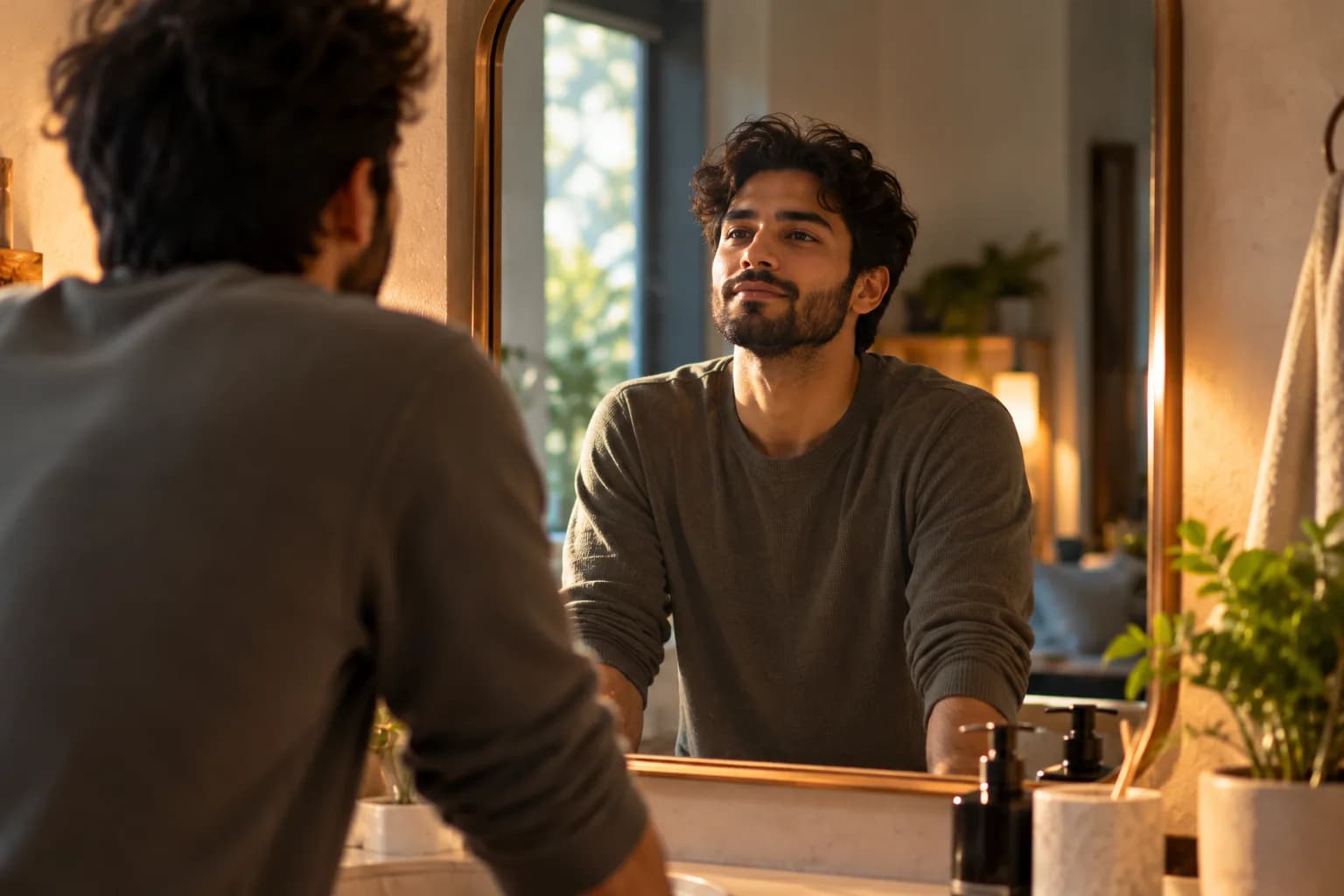
Sober Dating, Dating in Recovery
Complete Guide to Sober Dating: Dating Tips in Recovery
I was three years sober when my sponsor first asked if I'd thought about dating. I laughed. The idea felt terrifying not because I'd lose my sobriety, but because I had no idea what dating without an alcohol crutch even looked like. I didn't know how to be vulnerable with someone while being genuinely present.
Here's what I've learned since: sober dating isn't impossible. It's cleaner, more honest, and more real than anything I had when I was drinking.
But sobriety dating requires doing some work first.
Why Sober Dating Matters
When you're in active addiction, relationships are disasters more like a mess waiting to happen. You're half-present. You're making promises you can't keep. You're sleeping with people you don't respect. Everything's wrapped in blackouts and broken commitments.
Sober dating is not regular dating with the drinks taken out. Dating in recovery asks more of you because you are actually in the room.
Getting sober changes that. You become capable of showing up. You can remember your talks. You can think about another person's feelings without it being completely self-serving. That honesty is what makes sober dating feel different.
But you're also more vulnerable now. A bad relationship one where someone doesn't respect your recovery or actively impairs it can pull you backward. That's why being careful about who you date matters more than it did before.
Your recovery comes first. Always. Period.
A partner who doesn't get that isn't worth your time.
Before You Start Dating: Build Your Foundation
Know Yourself First
I did six months of just being sober before I even thought about sober dating. My sponsor wasn't being harsh she was being smart. I needed to know who I was sober before I tried to be someone's partner.
If you're looking for how to date while sober, this is the part most people skip.
Ask yourself straight up: Do you actually want a relationship, or are you lonely? Those are different things. One comes from a healthy place. The other tends to go off, and it puts pressure on your partner to be your missing piece.
Get clear on what you need. Not what you think you should want. What you actually need. Maybe you need someone who gets recovery because they're in it too. Maybe you need someone who won't drink around you. Maybe you need someone who respects that Friday nights are for meetings.
Talk to your sponsor or therapist about this. That's exactly what they're for.

Build Your Support System
I've watched people get into relationships and slowly stop going to meetings. The relationship becomes an unseen disaster. They think they're fine they've got a partner now, they don't need the meetings as much.
That's how you relapse.
Your sponsor, your meetings, your recovery friends they don't disappear when you start dating. They get more important. A good partner will see your meetings and your sponsor as a good thing, not competition.
If someone's jealous of your recovery, if they're making comments about you spending too much time on "recovery stuff," watch that. File it. That's information about who they are.
Stay connected to your 12-step recovery program and recovery support resources. Dating is extra. Those are the floor.
Get Comfortable Talking About Recovery
You have to tell someone you're dating that you're in recovery. Not on the first date necessarily, but before things get serious.
Don't apologize for it. Don't make it difficult. "I'm in recovery and I take my sobriety seriously" is enough. It tells them what they need to know — and that's the baseline for sober dating that lasts.
Finding Someone Sober-Friendly
Where to Look
Finding someone sober-friendly is the practical side of sober dating. Dating apps with the right filters can work. A sober dating app that lets you put "sober" in your profile immediately filters out people who think your sobriety is something to work around.
Some people meet through meetings or recovery events. There's a real perk to that — they already know what recovery looks like. You don't have to explain yourself. They get why Friday nights might be sacred for you.
You can also meet people just living life. Work, hobbies, volunteering, through friends. They don't have to be in recovery themselves. They just have to actually respect your recovery. That's the only requirement.
Red Flags to Watch For
Watch how someone reacts when you mention sobriety. This is the test, and these are the red flags in sober dating.
If they minimize it — "you're really overreacting, everyone drinks" — that's a problem. If they get defensive about their own drinking, that's a problem. If they suggest bars as a first date or joke about your sobriety, that's a problem.
Someone who tries to get you to skip meetings is someone who wants you isolated, or perhaps wants to ruin your sobriety, whether they're doing it on purpose or not.
Someone who pushes you to have "just one drink" doesn't respect your recovery. That's the bottom line.
Walk away if they
- Minimize your sobriety or say everyone drinks
- Get defensive about their own drinking
- Suggest bars as a first date or joke about your recovery
- Push you to skip meetings
- Ask you to have "just one drink"
Green Flags
A good person asks genuine questions. Not in a clinical way. Because they want to understand what matters to you.
They suggest doing sober things: coffee, hiking, movies. Their conversations don't revolve around alcohol.
They respect your meetings and your sponsor. They don't complain about them.
They're honest about their own drinking. Maybe they drink, maybe they don't. But they're not defensive, and they respect that you don't.
They actually celebrate your sobriety milestones because they care about you.

Stay close to people who
- Ask real questions because they want to understand
- Suggest coffee, hiking, or a movie — not a bar
- Treat your meetings and sponsor as a good thing
- Are honest about their own drinking without getting defensive
- Celebrate your sobriety milestones
Setting Boundaries in Dating
Dating tips for recovery start here: say what you need before you're already attached. Boundaries are what keep sober dating from turning into a relapse plan.
Your Sobriety is Non-Negotiable
Don't be hazy. Say it straight: "I need you to respect that I don't drink. That's non-negotiable."
Don't hide your recovery from a partner. Don't take "breaks" from sobriety for them. If that's what they're asking, they're not someone you should be dating.
Communicate Clearly
Tell them what triggers you. Maybe bars trigger you. Maybe parties. Maybe it's people who use. Whatever it is, say it. A person worth dating will work with you on it.
Notice Pressure Tactics
Watch how they react when you set a boundary. Do they respect it, or do they try to negotiate? Do they get angry? That tells you who they are — and whether sober dating with them is safe.
Managing Triggers and Temptations
Be Honest About Your Triggers
At some point, sober dating while in recovery will be a trial for you. Maybe they want to go somewhere that makes you uncomfortable. Maybe their family drinks heavily. Maybe they don't understand why you won't skip meetings when everything feels good.
These moments show you if someone's actually in your corner.
Keep Your Tools Close
Your recovery comes first. Absolutely. If someone's asking you to choose between them and your sobriety, you already know the answer. You've worked too hard to get sober.
Talk to your sponsor about the hard stuff. They've seen this. They'll help you see what you can't see when you're in the middle of it.
Don't skip your meetings. Don't minimize your recovery to make a relationship work. Your recovery tools — meetings, sponsor time, therapy — aren't optional. They're what keeps you stable when everything else is uncertain.
Don't Ignore Red Flags
Trust your gut. If something feels off, it is. You've learned to listen to yourself in recovery. Keep listening.
Building a Healthy Relationship in Recovery
Recovery relationships, and relationships in recovery more broadly, hold up when you stay honest. That's the long game of sober dating.
Honesty is Everything
A good relationship in recovery is built on truth and honesty. You've already shown you can be honest about your sobriety. Talk about your emotions, your struggles, your wins. Real research on healthy relationship dynamics shows that vulnerability is what actually builds something that lasts.
Manage Expectations
You can't expect a partner to be your therapist or your only support. They can support you, but your recovery is your responsibility. Keep that boundary clear in sober dating and everywhere else.
Celebrate the Good Stuff
Dating sober means you actually experience the person. No blackouts. No forgetting conversations. No wondering what happened. You're present. That's one of the quiet gifts of sober dating — something most people don't get.
Know When to Walk Away
If a relationship is using you again, don't be dramatic — the right choice is leaving.
Some relationships don't work out. That's not failure. That's information. Maybe they weren't ready for your recovery. Maybe you realized what you actually need. That's the relationship doing what it's supposed to do.
The right person will see your sobriety as strength. They'll see someone who did hard work, who knows herself, who has boundaries and keeps them. That's attractive.
And you deserve someone who gets that.
Real Talk: It's Worth It
Sober dating works. I've seen it work dozens of times. It's honest, it's real, and it's actually better than the alternative. Take your time. Trust your gut. Keep your recovery first. That's it.
Frequently asked questions
When should I tell someone I'm in recovery?
Before things get serious, but not necessarily on the first date. Share when you feel comfortable and when the relationship is moving toward commitment. Being upfront early prevents wasted time and builds trust.
Is it okay to date someone who drinks?
Only you can decide. If their drinking triggers you or jeopardizes your sobriety, it's not worth it. A supportive partner will respect your boundaries around alcohol.
How do I know if someone respects my recovery?
They ask genuine questions, suggest alcohol-free activities, respect your meetings, and celebrate your milestones. They don't pressure you or minimize your commitment to sobriety.
What's a deal-breaker in sober dating?
Anyone who suggests you can "just have one drink," pushes you to skip meetings, or gets defensive about your sobriety. Your recovery comes first—always.
Can I have a healthy relationship while in recovery?
Absolutely. In fact, recovery often makes you a better partner because you're more self-aware, have strong boundaries, and prioritize emotional health.
What if I feel triggered by my partner's drinking?
Tell them directly. A supportive partner will adjust their behavior or help you navigate the situation. If they won't, that's a red flag.
How do I balance dating with my recovery commitments?
Keep your recovery tools (meetings, sponsor, therapy) non-negotiable. A healthy partner will respect and support these commitments.