
sober dating, dating profile, recovery dating, online dating tips
How to Create the Perfect Sober Dating Profile: Tips, Examples & Do's/Don'ts
Your dating profile is your first impression. For someone in recovery, it's also your chance to set standards and attract people who respect your journey. A great sober dating profile does three things: it's honest about your recovery, it showcases your genuine personality, and it filters out people who won't respect your sobriety. This guide walks you through building a profile that works.
Why Your Profile Matters in Sober Dating
When you're dating as a person in recovery, your profile is a screening tool. It tells potential matches what you're about and what you need. A profile that hides your recovery wastes everyone's time. A profile that leads with recovery and nothing else sends the wrong message.
The goal is balance: you're a person in recovery, but you're also more than your recovery. Your profile should reflect both.
A strong sober dating profile attracts compatible partners faster. People who message you already know about your recovery and chose to message anyway. That's a huge advantage. It reduces awkward conversations and the risk of judgment.
What to Include in Your Sober Dating Profile
Be Honest About Your Recovery
Don't hide it until later conversations. Own it.
Your recovery is important, and the right person will respect that. A simple, straightforward statement works best: “I'm in recovery and take my sobriety seriously. It's an important part of who I am.”
You don't need to explain addiction, how long you've been sober, or justify your commitment. Just be transparent—then let them decide if they're okay with that. The people who message after reading this are your people. Recovery support resources—like finding compatible partners through trusted recovery networks—recommend being upfront about your recovery status. It filters for like-mindedness and builds trust from the first message.
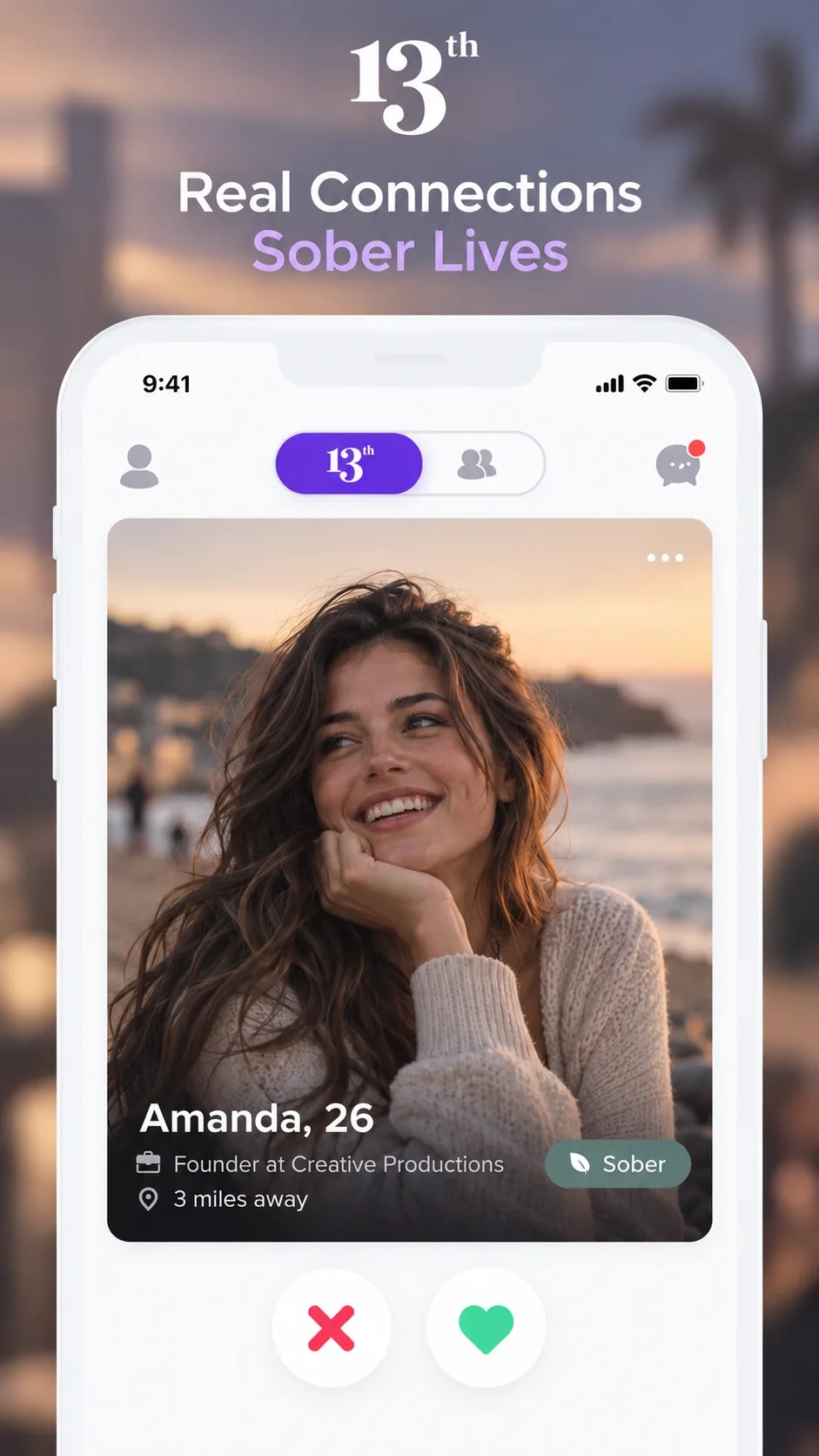
Highlight Your Interests & Values
Recovery is part of you, but it's not all of you. Show what else makes you tick.
What do you enjoy? Hiking? Reading? Coffee? Cooking? Volunteer work? Whatever it is, mention it. This gives potential matches something to connect with besides recovery. It also shows you have a full life with interests and activities.
Your values matter too. Are you spiritual? Family-oriented? Ambitious? Include that. Someone looking for those same values will recognize themselves in your profile. Principles from building healthy relationships in recovery—honesty, humility, and connection—translate well into how you present yourself online.
Show Your Authentic Self
Use your own voice. Don't try to be funny if you're not. Don't pretend to be someone you're not. Authenticity is attractive.
If you're introverted, say so. If you're a homebody who loves quiet nights, own it. If you're outgoing and social, make that clear. The right person will appreciate the real you, and the wrong person will self-select out.
What NOT to Include (Common Mistakes)
Don't Hide Your Recovery
This is the biggest mistake. Thinking you'll “discuss your sobriety at some point” means the wrong people message you. It wastes time and energy.
Be honest. The people who can't handle your recovery won't message anyway—which is exactly what you want.
Don't Overshare Your Story
You don't need to dump your entire recovery journey into your profile. Don't list your clean time, your drug of choice, or a detailed trauma history. That's not a dating profile—that's a therapy session waiting to happen.
Keep it simple and brief. You can share more once you've connected with someone and they've proven trustworthy.
Don't Include Drinking-Focused Content
Avoid photos at bars, holding drinks, or in party settings—even if you weren't drinking. The imagery sends the wrong message.
Similarly, don't mention partying, nightlife, or alcohol-centered activities. If someone is looking for a party partner, they're not your match anyway.
Profile Examples: Good vs. Bad
GOOD Profile Example
“I'm Alex, 34, and I work in tech. I'm in recovery and take my sobriety seriously. It's a big part of my life and something I'm proud of.
Outside of work, I'm obsessed with hiking, especially on the weekends. I love trying new coffee shops and I'm working through my reading list one book at a time. I volunteer because it matters to me.
Looking for someone who respects my sobriety and wants to do sober activities together—hiking, movies, concerts, whatever. If you're kind, genuine, and looking for something real, let's talk.”
WHY This Works
Why this works
- It's honest about sobriety without making it the entire personality
- It shows real interests (hiking, coffee, reading, volunteering)
- It's conversational and warm
- It clearly states what they're looking for
- It's short enough to actually read
- It gives potential matches something to connect with
BAD Profile Example
“I'm sober. Looking for someone who understands addiction. I've been in recovery for 5 years and work a 12-step program. I don't drink anymore. I'm looking for a serious relationship with someone who also doesn't drink.”
WHY This Doesn't Work
Why this doesn't work
- It's all recovery, no personality
- It doesn't mention a single interest or hobby
- It sounds clinical, not warm
- There's nothing to start a conversation about
- Someone reading this learns nothing about who this person actually is
- It feels like an application form, not an invitation to connect
Profile Photo Tips for Sober Dating
Choose Recent, Sober Photos
Use recent images that look like you. No filters that twist your face, no heavy edits that hide who you are.
A clear, well-lit photo of your face is essential. Smile if that's natural for you. Your eyes matter more than you think—people connect with a genuine expression. Online dating safety tips and profile research emphasize that authentic photos lead to better matches and fewer mismatches when you meet in person.
Show Your Real Self
Include at least one full-body photo so people know what to expect. Include photos that show you doing what you love—hiking, reading, volunteering, whatever.
The goal is for someone to recognize you in person. No surprises means more genuine connections.
Avoid Common Photo Mistakes
- Don't use group photos as your main image (people can't tell who you are)
- Don't use photos from 5+ years ago
- Don't use only heavily filtered or edited photos
- Don't use photos of you at bars, even if you weren't drinking
- Don't include ex-partners (crop them out or use different photos)
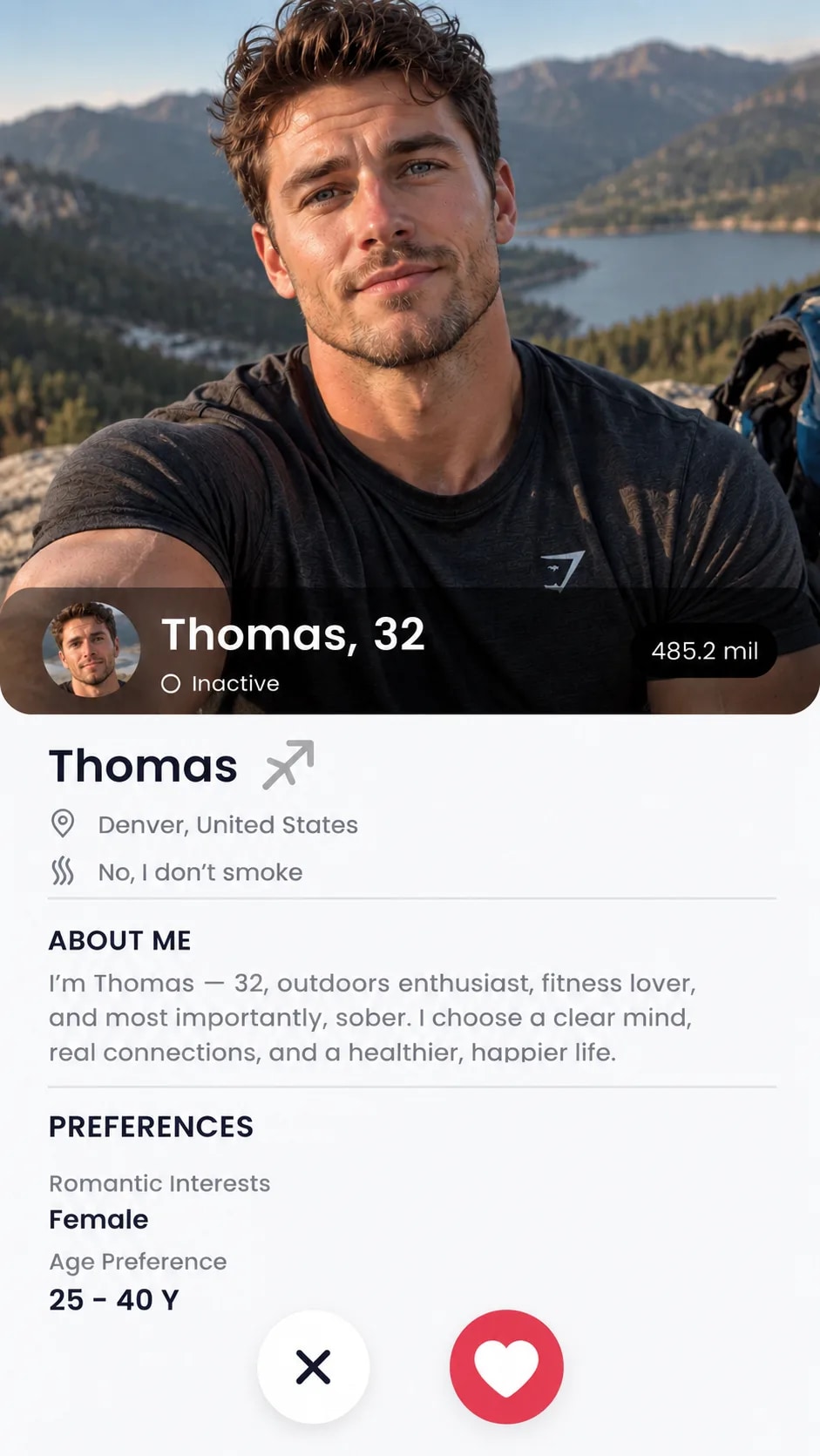
Writing Your Bio: Authenticity Wins
Write a Compelling Headline
Your headline is the first thing people see. Make it real. Examples:
- In recovery, always growing
- Sober and looking for real connection
- Hiking enthusiast, coffee lover, person in sobriety
- Building a sober life, one day at a time
Avoid generic headlines like “Looking for my person” or “Just ask.” Be specific.
Use Prompts to Share Values
Most dating apps have fill-in-the-blank prompts. Use them to show your values and personality.
- “My ideal Sunday is…” — Mention something sober and authentic
- “I'm really passionate about…” — Share something that matters to you
- “You should know I'm…” — Mention recovery here if you haven't already
- “My love language is…” — Show how you express care
Keep It Conversational
Write like you talk. Use contractions, casual language, and your genuine voice. Read your profile out loud. If it sounds stiff or fake, rewrite it.
People want to connect with people—not read a résumé.
Red Flags to Watch in Other Profiles
When you're browsing potential matches, watch for these warning signs in their profiles. Finding compatible partners starts with knowing what compatibility looks like—and what it doesn't.
They Don't Respect Boundaries
Their profile highlights partying, drinking, or nightlife heavily. They dismiss sobriety or make jokes about it. That's not your person.
Excessive Focus on Alcohol/Partying
If their entire profile is about bars, clubs, drinking, or “wild nights,” they're probably not going to respect your sobriety. Move on.
Red flags in other profiles
- Heavy focus on partying, bars, or nightlife
- Jokes that dismiss sobriety or recovery
- Pressure around drinking in how they describe dates
- No interest in sober activities or quiet connection
Real Talk: Authenticity Attracts the Right People
A great sober dating profile isn't about being perfect. It's about being real.
When you show up authentically—recovery and all—you attract people who respect you for who you actually are. Those are the connections worth having.
The people who can't handle your recovery won't message you. That's not rejection. That's the profile doing its job: filtering out incompatible matches before they waste your time.
Your profile is your voice. Use it. Be honest. Be yourself. And let the right people find you.
Frequently asked questions
Should I mention my recovery in my dating profile?
Yes, absolutely. Be clear and straightforward. A simple statement like “I'm in recovery and take my sobriety seriously” tells potential matches what they need to know. People who message after reading that have already decided your recovery is okay with them.
How much recovery detail should I share in my profile?
Keep it brief. Mention that you're in recovery and you take it seriously. You don't need to list your clean time, your program, your trauma history, or why you're in recovery. That's a deeper conversation for when you've built trust with someone.
What if no one messages me after I mention recovery?
First, know that this is normal. Second, quality over quantity. The people who do message are much more likely to be compatible. It's better to get 3 messages from people who respect your sobriety than 30 messages from people who don't understand recovery.
Should I use photos of myself at bars or parties even if I wasn't drinking?
No. Even if you weren't drinking, the imagery sends the wrong message. Use photos that show you doing things you genuinely enjoy—hiking, coffee shops, your hobbies, wherever.
How do I mention recovery without making it my entire personality?
Lead with who you are as a person. Your interests, values, and personality should take up most of your profile. Your recovery is one sentence—important, but not your only defining feature.
What if someone messages me and then ghosts when I mention recovery?
That's them filtering themselves out. It's actually a blessing. You don't want someone who can't handle your recovery. Their disappearance saved you time and heartache.
How often should I update my profile?
Update your photos every few months to keep them current. Update your interests if they change. If you hit a new sobriety milestone, you can mention that. The core message stays the same.