sober dating app
Best Sober Dating Apps for Recovery: How to Choose Safely
Dating while in recovery is different. You need someone who understands what sobriety means—not someone who'll push you toward bars or judge you for going to meetings.
Look, if you've used Tinder or Bumble, you already know what happens. You're scrolling through profiles and half of them say something about wine or beer. You match with someone, they seem cool, and then it comes up that you don't drink. And everything just... shifts. Suddenly you're explaining yourself. You're defending why you don't go to bars. You're basically doing a therapy session before dessert arrives.
It sucks. You just wanted to go on a date, not justify your entire life.
Sober dating apps skip all that nonsense. Everyone there already gets it. Nobody's confused about why you don't drink. Nobody's going to suggest a brewery or act weird about your meetings. You just match with people who actually live the same way.
Why Regular Apps Don't Work
Mainstream dating apps expose you to constant drinking culture. You see profiles celebrating alcohol as part of a normal life. For someone rebuilding without substances, that's pressure you don't need.
The bigger risk: research shows relationships without recovery-aware partners increase relapse chances. If you date someone who drinks casually and doesn't understand recovery, you're creating unnecessary pressure on yourself.
Mainstream apps also lack recovery features. Can you filter by AA or NA? Can you see how long someone's been sober? Can you verify they're actually in recovery? No. Recovery dating apps were built specifically for these questions.
What to Look For
Verification matters. Does the app actually verify members are in recovery? Some claim to be "sober-focused" but let anyone join. That defeats the purpose. Look for apps with:
Sobriety verification (length sober, recovery program)
Active moderation to remove fake profiles
Community reporting for suspicious accounts
Recovery community, not just dating. You want more than swiping. Good apps offer:
Meeting information and sponsor resources
Filters for AA, NA, SMART Recovery
Community support and accountability culture
Red flags to skip:
Apps that market to drinkers too
No verification process
Dead moderation (fake profiles staying up)
The Real Danger: 13th Stepping
Before you start dating, understand the 13th stepping. It's recovery-specific predatory behavior you won't find on mainstream apps.
13th stepping is when someone in recovery exploits a newcomer for a relationship to isolate them and cause relapse. Here's how it works: A newcomer is vulnerable, rebuilding their identity. A 13th stepper moves in and says things like "Your sponsor is too rigid" and "You don't need meetings anymore you have me." They move fast, claim destiny, isolate you from recovery support. Once you're isolated, they disappear or reveal who they are.
The goal is relapse. Isolation from recovery support almost always leads back to using.
Dating apps concentrate vulnerability people actively looking for connection. Some percentage are 13th steppers specifically targeting sober people. Watch for fast timelines, isolation attempts, pressure to skip meetings, and mirroring your story perfectly.
Top Sober Dating Apps: Quick Comparison
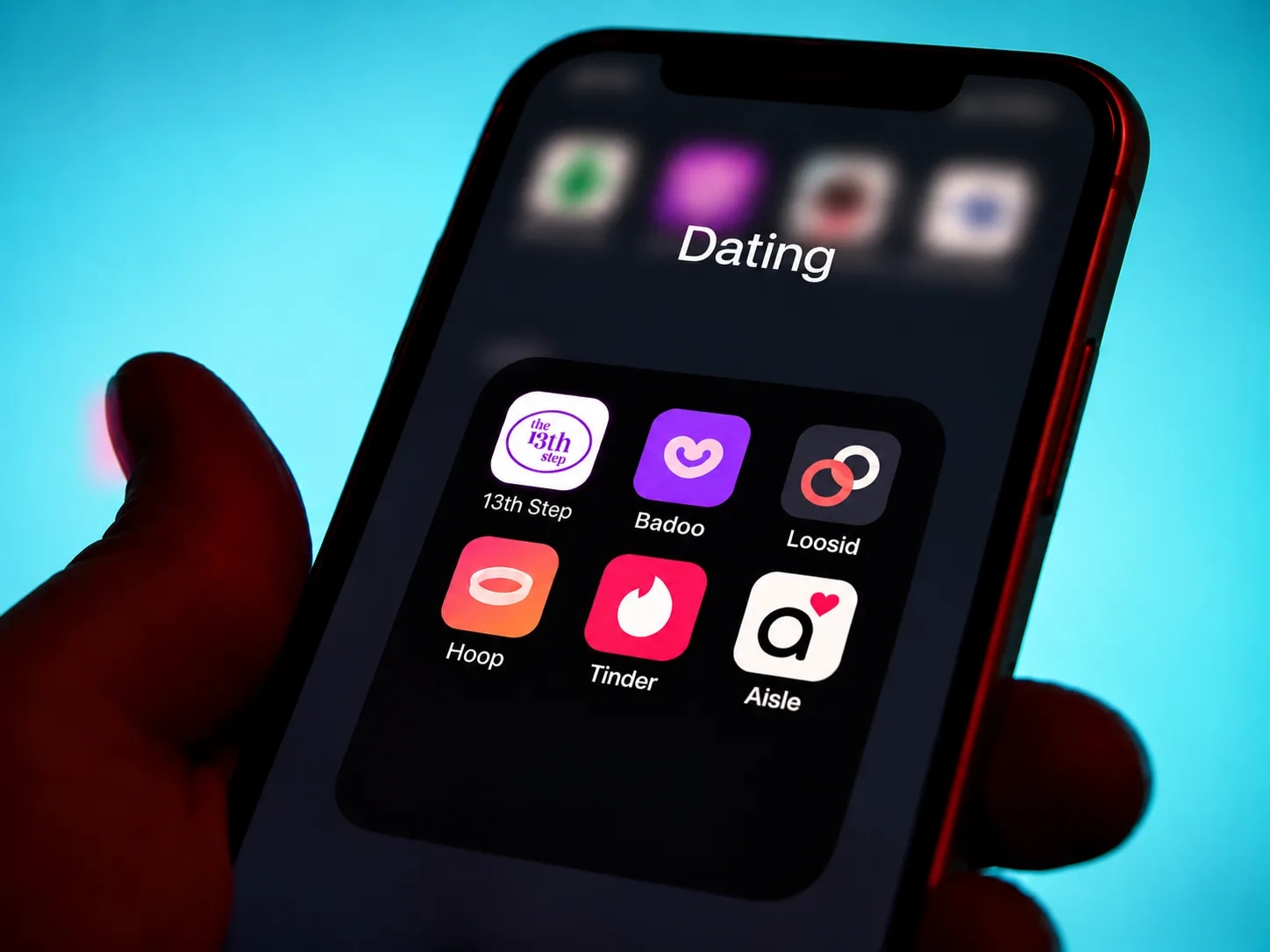
Looisd – Largest community, straightforward dating app. Free with premium features (9.99-19.99/month). Pros: biggest user base, clean interface, sober-verified. Cons: less recovery-specific, moderate verification.
Sober Grid – Social network for recovery with dating as one feature. Completely free. Pros: strong community, meetings finder, sobriety tracking. Cons: smaller dating pool, slower matching.
Clean and Sober Love – For AA/12-step people. Free with premium (9.99-14.99/month). Pros: 12-step focused, supportive community. Cons: smaller user base, some anonymity reduces verification.
13th Step ⭐ – Built specifically to prevent predatory behavior. Free. Pros: strict verification, educates about 13th stepping, zero tolerance for manipulation, community standards against fast timelines. Cons: newer, smaller community (growing). Best for early recovery or concern about exploitation.
How to Date Safely
Before you start: Talk to your sponsor. Get their input. Use your recovery framework as reality check.
Once you match: Take your time. Ask real questions: How long sober? What recovery program? Who's your sponsor? Real people in recovery answer without hesitation.
On first date: Public place, tell someone where you're going, set a time limit.
After a few dates: Introduce them to your recovery friends (not sponsor yet). See how they interact with your community. Do they respect it?
Red flags appear over time. Watch for isolation attempts, pressure to skip meetings, "you don't need your sponsor" talk. Trust your gut—your recovery instincts are sharp.
Talk to your sponsor regularly about the relationship. Not once regularly. Your sponsor sees patterns you might miss.
When to Start Dating
Most recovery programs suggest waiting 6-12 months before dating seriously. You need a foundation. In early recovery, you're rebuilding identity, developing support systems, healing from trauma.
People who wait build healthy relationships. People who rush relapse.
Frequently asked questions
Is it really safe to date in recovery?
Yes, but with intention. Recovery-specific apps with verification are significantly safer than mainstream apps. The difference is huge—you're filtering for people who understand sobriety, not explaining it constantly. Your main risk isn't the app, it's whether you choose partners wisely and listen to red flags.
What's the best sober dating app for me?
Depends on what you need. Want most matches? Looisd. Want a strong community? Sober Grid. Want 12-step focus? Clean and Sober Love. Want maximum safety? 13th Step. Try a few and see what fits.
How many months sober should I be before I start dating?
Most recovery programs say 6-12 months minimum. You need a foundation. If you're three months in, focus on recovery first. Dating will be better later anyway.
What is 13th stepping exactly?
Someone in recovery exploiting a newcomer for a relationship to isolate them and cause relapse. It's predatory and happens specifically in recovery communities. The warning signs are fast timelines, isolation attempts, and pressure to leave your support system.
Can I use a regular dating app if I'm in recovery?
You can, but it's risky. You'll see constant drinking culture. People won't understand recovery. You'll manage their relationship with alcohol while managing your sobriety. Recovery-specific apps filter for compatibility on the most important thing—your sobriety.
Do these apps actually lead to relationships, or is it just a waste of time?
Real relationships have formed on all these apps. Success depends on your clarity about what you want and your willingness to walk away from red flags. The app is just the tool. You make it work or not.
How do I know if someone's actually in recovery?
Ask direct questions. How long sober? What meetings? Who's your sponsor? Real people answer. Ask their sponsor if you get serious (after several months). Trust your gut—if something feels off, it probably is.